
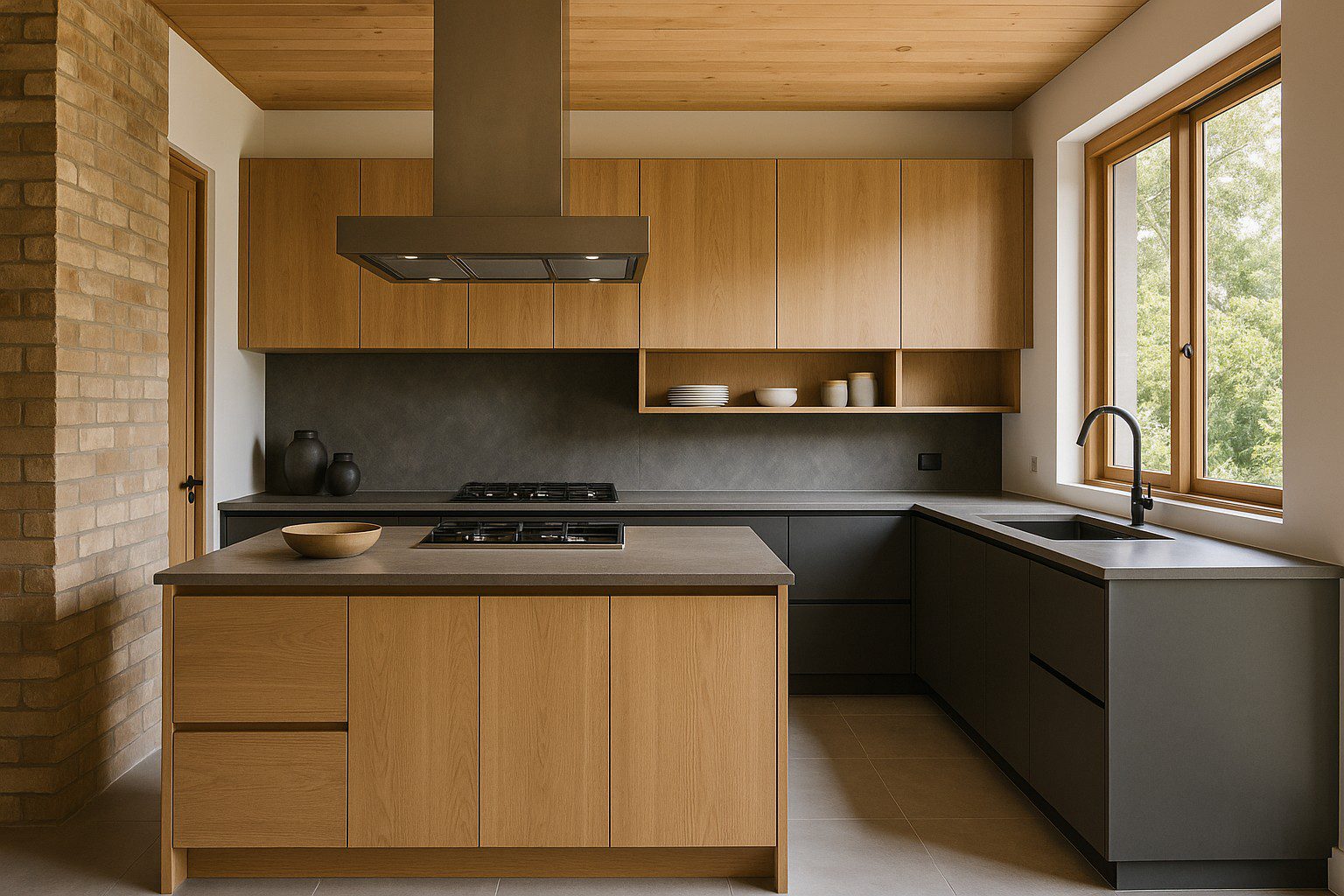
Proper kitchen ventilation is crucial in South African homes to ensure a fresh, odour-free, and safe cooking environment. This guide covers everything you need to know when planning your new kitchen ventilation system.
Why Kitchen Ventilation Matters in South African Homes
When planning a new kitchen, one of the most important yet sometimes overlooked elements is ventilation. In South Africa’s varied climate and urban settings, effective kitchen ventilation helps maintain indoor air quality, prevents moisture build-up, and removes cooking odours and smoke.
Good ventilation also protects your cabinetry and finishes from damage caused by grease and humidity, ensuring your kitchen stays fresh and functional for years to come.
Quick Answer: What Should You Consider for Kitchen Ventilation?
Start by assessing your kitchen layout and cooking habits. Choose a suitable extraction system — typically an extractor fan or range hood — that matches your stove type and kitchen size. Consider whether you can vent air outside or if you need a recirculating system with filters. Proper ducting, fan capacity, and noise levels are vital factors. Also, ensure your kitchen has adequate air supply to replace extracted air, which may require additional vents or windows.
Understanding Kitchen Ventilation Options in South Africa
There are two main types of kitchen ventilation systems commonly used in South African homes:
1. Ducted Extractor Fans / Range Hoods: These systems vent cooking fumes directly outside through ducting. They are highly effective at removing odours, moisture, and smoke but require suitable external walls or ceilings for duct installation.
2. Recirculating Extractor Fans: These systems filter the air through charcoal and grease filters and recirculate it back into the kitchen. They are easier to install where ducting isn’t possible but less effective at removing moisture.

Comparison of Kitchen Ventilation Systems
Choosing between ducted and recirculating systems depends on your kitchen layout, budget, and ventilation needs.
| Feature | Ducted Extractor Fan | Recirculating Extractor Fan |
|---|---|---|
| Installation | Requires external ducting; more complex | Easier to install; no external ducting needed |
| Effectiveness | Highly effective at removing odours, smoke, and moisture | Good at removing odours; less effective for moisture |
| Maintenance | Regular cleaning of ducts and filters | Frequent replacement of charcoal filters |
| Noise Levels | Varies; can be quieter if ducting is well designed | Generally louder due to fan and filter system |
| Cost | Higher initial cost due to installation | Lower upfront cost; ongoing filter replacement costs |

Key Factors to Consider When Planning Kitchen Ventilation
Here are some important considerations to keep in mind:
• Kitchen Layout and Size: Larger kitchens or open-plan layouts may require more powerful extraction to ensure effective ventilation.
• Cooking Habits: Frequent frying or grilling produces more grease and smoke, necessitating stronger ventilation.
• Ducting Routes: Plan ducting paths carefully to minimise bends and length, which affect fan efficiency.
• Air Supply: Ventilation systems extract air, so your kitchen needs adequate fresh air intake to avoid negative pressure and ensure proper airflow.
• Noise Levels: Choose a system that balances performance with acceptable noise, especially in open-plan living areas.
• Local Climate: In coastal or humid areas, moisture removal is critical to prevent mould and damage.
• Compliance and Safety: Electrical installation of extractor fans must comply with South African wiring regulations. Always use a qualified electrician.
Practical Kitchen Ventilation Checklist for Your New Kitchen
Use this checklist during your kitchen planning to ensure you cover all ventilation bases:
- Assess your cooking style and frequency to determine ventilation power needed.
- Decide between ducted or recirculating extractor based on your kitchen’s external walls and ducting options.
- Plan duct routes with minimal bends and shortest possible length.
- Ensure there is sufficient fresh air supply via windows, vents, or door gaps.
- Select an extractor fan with appropriate airflow capacity (measured in m³/h).
- Consider noise ratings and choose a quieter model if needed.
- Check electrical requirements and hire a registered electrician for installation.
- Include regular maintenance plans for cleaning ducts or replacing filters.
- Coordinate ventilation design with your cabinetry and lighting plans to avoid conflicts.
- Review local building codes or strata rules if applicable.
Integrating Ventilation with Your Kitchen Design
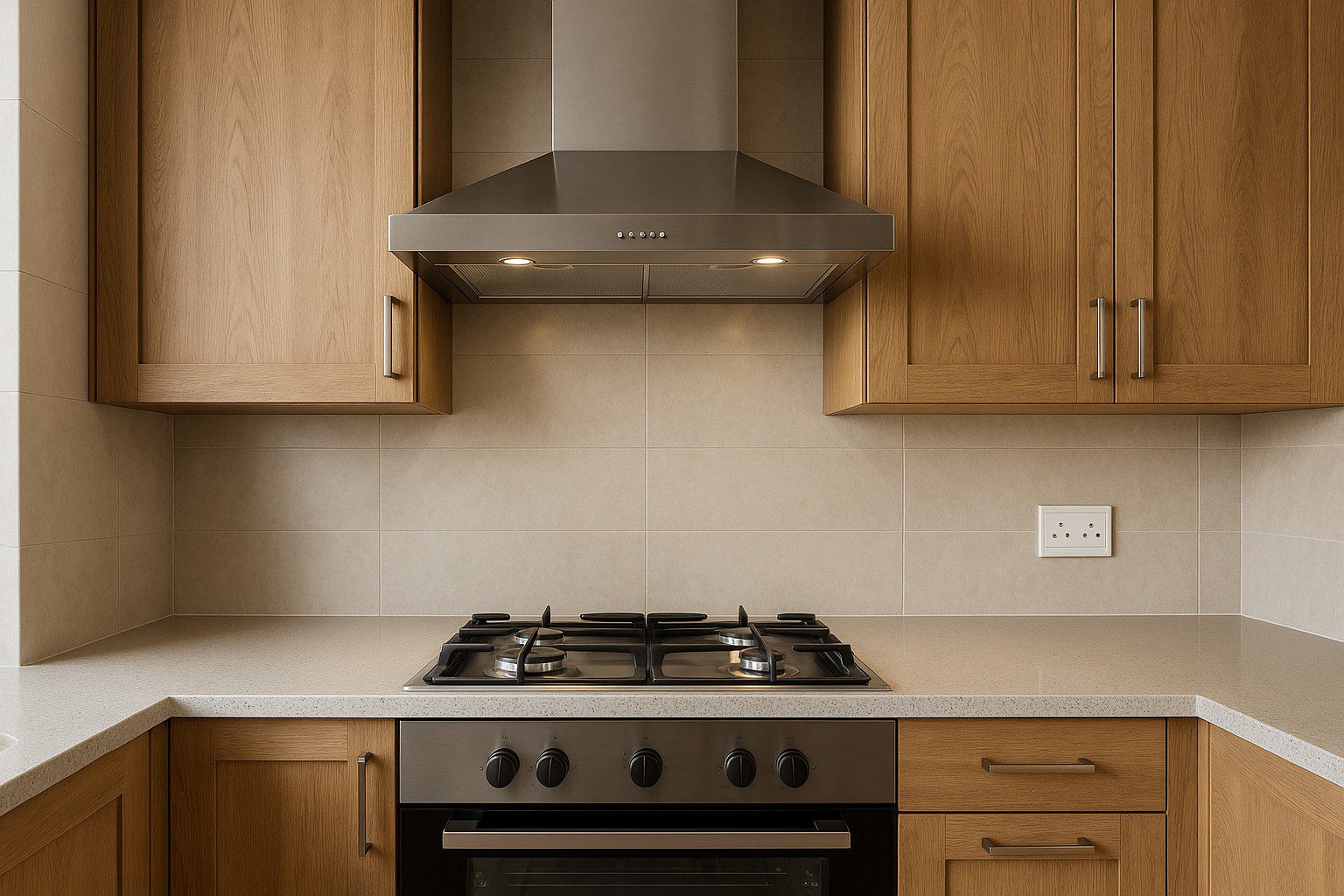
At Weizter, we understand that kitchen ventilation must blend seamlessly with your overall kitchen style, whether you prefer a sleek modern kitchen, a warm farmstyle kitchen, or a contemporary look. Our design team works closely with you to incorporate extractor fans and ducting discreetly within cabinetry or ceiling bulkheads.
For example, a built-in range hood can be integrated with overhead cupboards or a stylish island extractor can become a feature in an open-plan kitchen. Proper ventilation planning at the design stage avoids costly retrofits later.
Explore our Modern Kitchens and Contemporary Kitchens galleries for inspiration on how ventilation solutions can complement your kitchen’s aesthetics.
Frequently Asked Questions About Kitchen Ventilation in South Africa
Frequently asked questions
Do I need a ducted extractor fan or is a recirculating system enough?
A ducted extractor fan is generally more effective at removing moisture, smoke, and odours by venting them outside. However, if your kitchen layout doesn’t allow ducting, a recirculating system with charcoal filters can be a practical alternative, though it requires regular filter changes and is less effective at moisture removal.
How powerful should my kitchen extractor fan be?
Extractor fans are rated by airflow capacity in cubic metres per hour (m³/h). A good rule of thumb is to have a fan that can exchange the air in your kitchen 10 times per hour. For example, a 20m² kitchen with a 2.5m ceiling height would need a fan with about 500 m³/h capacity.
Can I install kitchen ventilation myself?
While some basic installations might be possible for experienced DIYers, electrical connections and ducting installation should be done by qualified professionals to comply with South African regulations and ensure safety.
How often should I clean or replace filters in my extractor fan?
Grease filters should be cleaned every 1-3 months depending on usage. Charcoal filters in recirculating systems typically need replacing every 6-12 months. Regular maintenance keeps your ventilation effective and prolongs the life of your system.
Start your project with Weizter
Explore our services: Modern Kitchens · Contemporary Kitchens · Farmstyle Kitchens · Kitchen Gallery.